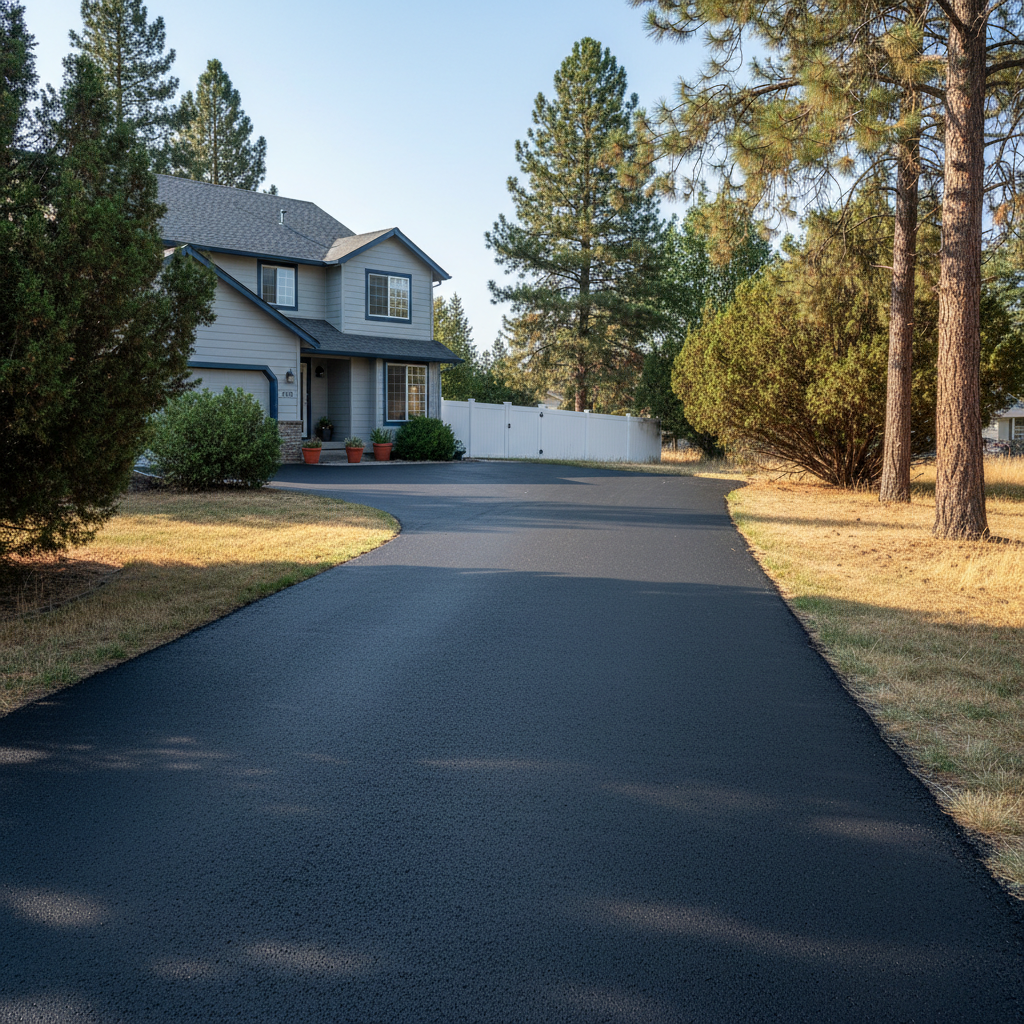
Okay, so you just got a fresh slurry coat on your driveway or parking lot. Looks pretty sharp, doesn't it? That rich, dark black surface isn't just for show, though; it's actually protecting your asphalt from the sun, water, and whatever else our Richland weather decides to throw its way. But that protection isn't a "set it and forget it" kind of deal. You'll need to put in a little effort to keep it working well for years to come.
Making Your Slurry Coat Last Longer
Think of your slurry coat as really good sunscreen for your pavement. It's tough, sure, but it's not invincible. The biggest problem we usually face here in the Tri-Cities is the sun. Those long, hot summers can really bake an asphalt surface, drying it out and making it brittle over time. Slurry definitely helps, but you can always do more.
- Keep it Clean: This sounds super simple, but dirt, sand, and other debris act like sandpaper when cars drive over them. Make sure to sweep or blow off your paved areas regularly. This stops tiny scratches from wearing down the surface too quickly.
- Watch for Spills: Oil, gas, and other car fluids are absolutely terrible for asphalt and slurry. They'll break down the binder that holds everything together. Clean up any spills right away. A little kitty litter or some absorbent material can soak it up; then just sweep it away. Don't let that stuff sit.
- Manage Water: Good drainage is absolutely essential. If water consistently pools in certain spots after it rains or after you irrigate, that's a real problem. Standing water can sneak into tiny cracks, and when winter hits and it freezes, that water expands and makes those cracks much, much bigger. So, check that your gutters are directing water away from your pavement.
- Avoid Heavy Loads: While slurry does add a protective layer, it doesn't actually make your asphalt structurally stronger. Heavy trucks or equipment can still cause damage, especially if they're parked in the same spot for long periods. Try to spread out the weight, or use specific heavy-duty areas if you've got them.
Regular Maintenance: What You Should Be Doing
Beyond those general tips, there are a few things you really ought to be doing regularly to keep your slurry looking good and performing well.
First off, just walk your property. I tell all my clients this, honestly. Take a stroll once a month, especially after a big rain or a stretch of really hot weather. Look at your asphalt. Are there new cracks popping up? Is the color fading unevenly? Do you see any soft spots? Catching these things early on saves you a ton of headache and money down the road.
If you spot small cracks—and I mean hairline cracks—don't just ignore them. A good crack filler can seal these up before they turn into a major issue. You can often find decent quality crack filler at your local hardware store, too. Just follow the directions carefully. It's way cheaper to fill a small crack than to fix a pothole, wouldn't you agree?
We also get some pretty strong winds around here, especially near Badger Mountain, which can kick up a lot of dust and grit. So, regular sweeping isn't just about looks; it's about preventing that abrasive wear. A leaf blower works great for this, too.
Warning Signs of Trouble
Alright, so what should you actually be looking for that tells you something's not quite right? These are your red flags:
- Lots of Cracking: A few hairline cracks are normal over time, but if you're seeing a spiderweb pattern (we call it alligator cracking) or cracks wider than a quarter-inch, that's a sign of deeper structural issues.
- Fading or Discoloration: Some fading is natural, sure, but if your slurry coat is turning gray or looks patchy, it might be getting thin. This means it's losing its protective qualities.
- Potholes or Depressions: These are pretty obvious. If you see a pothole, it means water has gotten under the surface and eroded the base. Depressions, or spots where water always pools, are also a problem that needs attention.
- Loose Aggregate: If you're noticing small stones or gravel coming loose from the surface, especially after a year or two, it could mean the slurry didn't bond correctly or it's simply worn out.
- Soft Spots: If you walk on your pavement and feel soft or spongy areas, that's a serious sign of base failure because of water getting in.
When to Call a Professional
Look, I'm all for doing things yourself when it makes sense, but some jobs are definitely best left to the pros. You should absolutely give us a call at Richland Asphalt Solutions if you notice any of these more serious issues:
- Alligator Cracking: This isn't just a surface problem; it means your base layer is failing. We'll need to check how bad the damage is and probably do some patching or even a partial overlay.
- Large Potholes: Filling a small pothole yourself might work for a bit, but a big one needs proper excavation, base repair, and hot asphalt patching to truly last.
- Significant Water Pooling: If you've got areas that consistently hold water, it could be a grading issue that needs professional correction. Just filling the depression won't fix the real problem underneath.
- Multiple Soft Spots: Again, this points to base failure. We can figure out the cause and repair it correctly to stop it from spreading.
- Planning a Re-application: A slurry coat usually lasts 3-7 years, depending on traffic and how well it's maintained. When it's time for a fresh coat, you want it done right. Proper cleaning, crack filling, and application techniques are super important for getting the longest life out of it. Don't just try to slap another layer on without good prep.
Taking care of your slurry coat isn't rocket science, but it does need a little attention. A bit of proactive maintenance now can save you from bigger, more expensive repairs later. Keep an eye on your pavement, especially after our hot summers and those occasional cold snaps, and you'll keep that investment looking good for a long time.