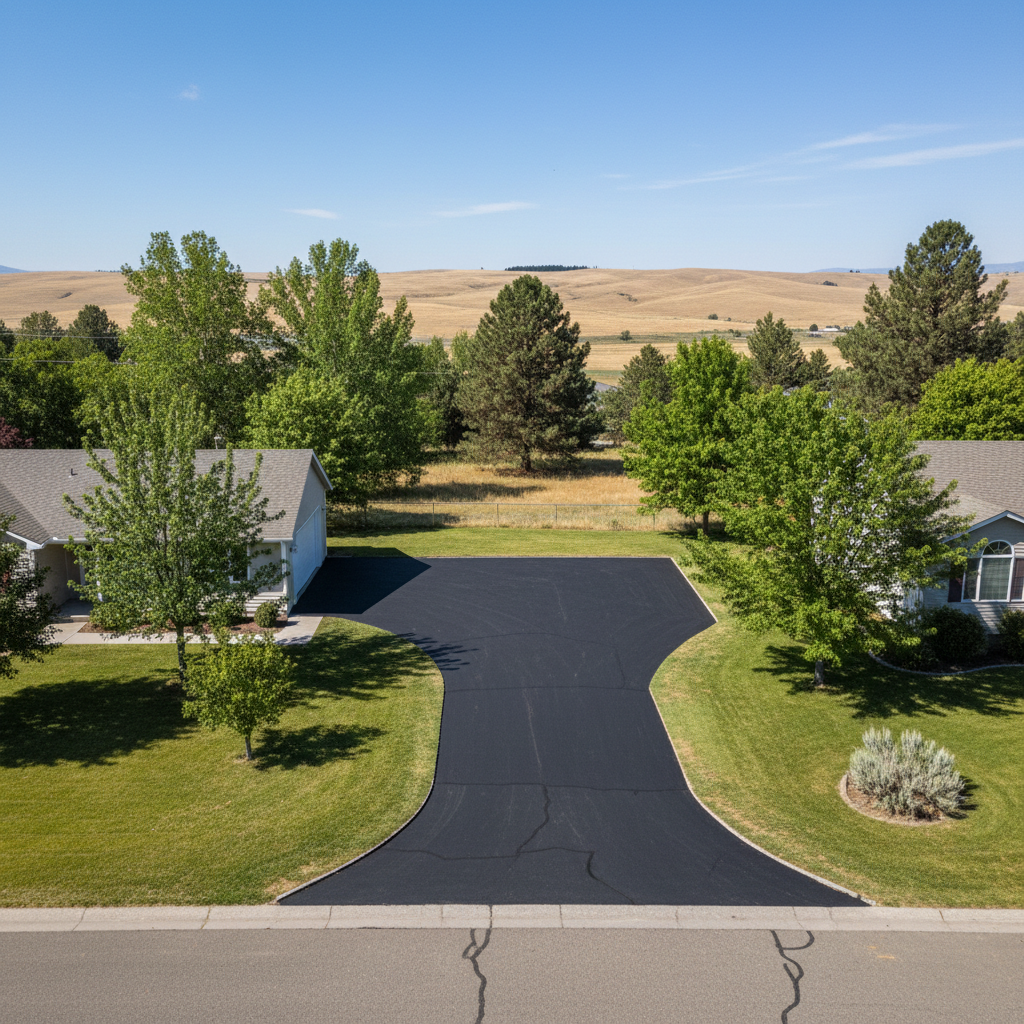
Got cracks or potholes messing up your driveway? It’s not just an eyesore; those little problems can turn into big, expensive headaches if you ignore them. Patching asphalt might seem straightforward, but there’s a right way to plan and execute it to make sure it lasts. As a local contractor, I’ve seen it all, and I want to give you the lowdown on getting your asphalt patching project done right here in Richland.
Setting Your Project Timeline
When should you get this done? That's usually the first question folks ask. The best time for asphalt patching in Richland, especially for a good, lasting repair, is when the weather's cooperating. That means generally spring, summer, and early fall. You need consistent temperatures above 50 degrees Fahrenheit, and ideally, no rain in the forecast for at least 24-48 hours after the work is done. This allows the asphalt to cure properly.
Don't wait until winter. Trying to patch asphalt when it's cold and wet is just asking for trouble; the materials won't bond right, and you'll be patching it again next year. So, if you're noticing issues now, start planning for that warmer window. A good contractor will likely be booked out a bit during peak season, so don't expect to call on Monday and have it done by Friday. Give yourself a few weeks, maybe even a month or two, to get quotes and schedule the work. This isn't a rush job if you want quality.
What to Expect During the Process
Alright, you've picked a contractor, and the date is set. What actually happens on patch day? First, the crew will come out and assess the area. They’ll mark out the sections that need repair. Depending on the type of damage and the method they're using (which we've talked about in other posts), they'll either cut out the damaged section or heat it up.
If they're cutting it out, they'll use saws to create clean edges around the problem area. Then they'll remove the old, crumbling asphalt and any loose debris. This is crucial for a strong repair. After that, they'll clean the base, maybe add some new aggregate if needed, and compact it. This creates a solid foundation for the new asphalt.
Next, they'll apply a tack coat – that's a sticky liquid asphalt that helps the new patch bond to the old pavement. Then, they'll lay down the new hot asphalt mix, rake it, and compact it thoroughly with a roller or vibratory plate. The goal is to make it as dense and smooth as possible, blending it seamlessly with the existing surface. You'll see steam, you'll smell asphalt – it's all part of the process. Once it’s compacted, it needs time to cool and harden. This usually takes a few hours before you can walk on it, and typically 24-48 hours before you can drive on it. Your contractor will give you specific instructions.
How to Prepare Your Property
Preparing for an asphalt patching job isn't complicated, but it's important. Here's a quick checklist:
- Clear the area: Move cars, bikes, trash cans, planters, toys – anything that's on or near the area being patched. The crew needs clear access.
- Trim back vegetation: If you have bushes or tree branches hanging over the driveway, trim them back. This protects your plants and gives the crew room to work, especially if they're using larger equipment.
- Mark sprinklers or hidden utilities: If you have any underground sprinkler heads, invisible dog fences, or other utilities near the edge of the asphalt, mark them clearly with flags or paint. We don't want any surprises.
- Keep kids and pets away: Asphalt is hot, and equipment can be dangerous. Make sure your little ones and furry friends are kept safely indoors or in a secure area away from the work zone.
- Plan for access: Remember, you won't be able to drive on the patched area for at least a day or two. Plan alternate parking or make arrangements if you need to leave your property during that time.
It's all about making it safe and easy for the crew to do their best work, which means a better patch for you.
Questions to Ask Before Signing That Contract
Before you commit to anyone, you've got to ask the right questions. Don't be shy; it's your property and your money. Here's what I'd want to know if I were in your shoes:
- Are you licensed and insured? This is non-negotiable. You want to make sure they're legitimate and that you're protected if something goes wrong. Ask for proof.
- What's included in the quote? Make sure the quote is detailed. Does it include all materials, labor, site prep, and cleanup? Are there any potential hidden costs?
- What kind of asphalt mix will you be using? Different mixes are better for different applications. A good contractor will explain why they're choosing a particular mix for your specific project.
- What's your warranty on the work? A reputable company stands behind its work. Ask about their warranty period for the patching.
- How long will the area be inaccessible? Get a clear timeframe for when you can walk and drive on the patched area.
- Can you provide references? Any good contractor should be happy to provide references from past clients. Call them!
- What's your plan for cleanup? You don't want to be left with asphalt debris and mess. Confirm they'll clean up thoroughly.
- How do you handle unforeseen issues? Sometimes, once you start digging, you find something unexpected. How do they communicate and charge for those situations?
Here at Richland Asphalt Solutions, we believe in being upfront and transparent. We'll walk you through every step and answer all your questions. Getting a good asphalt patch isn't just about fixing a hole; it's about protecting your investment and making your property look good. Take your time, ask the tough questions, and you'll end up with a repair that lasts through our hot summers and occasional frosty mornings.