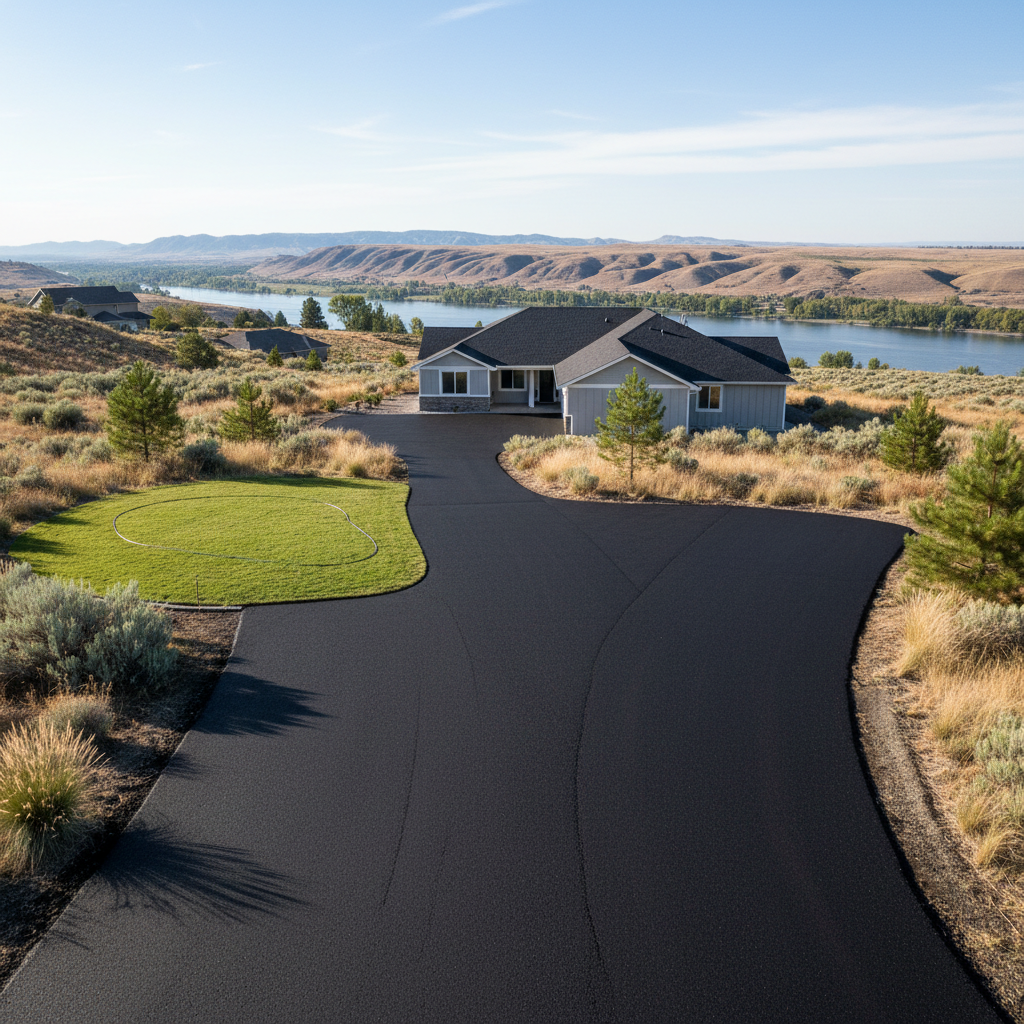
So, you're considering a slurry coating for your asphalt. Good choice! It's a smart way to protect your existing pavement, extend its life, and give it a fresh, dark look. But like any home improvement project, a little planning goes a long way. I've been doing this for years here in Richland, and I've seen what makes a project go smoothly and what causes headaches. Let's talk about how to get your slurry coating done right.
Your Slurry Coating Project Timeline
Don't expect to call a contractor today and have your driveway coated tomorrow. That's just not how it works, especially if you want a quality job. Here's a realistic timeline you should keep in mind:
- Initial Contact & Estimate (1-2 weeks): You'll call a few local companies, like us at Richland Asphalt Solutions, to get estimates. We'll come out, measure your area, and assess the condition of your existing asphalt. This isn't just about price; it's about getting a feel for the contractor and their approach.
- Scheduling (2-4 weeks out, sometimes more): Once you pick a contractor, you'll get on their schedule. Good contractors are usually booked out a few weeks, especially during peak season (late spring, summer, early fall). Don't rush this; a busy contractor often means a reliable one.
- Pre-Project Prep (1-3 days before): This is mostly on you, the homeowner. We'll give you specific instructions, but generally, it involves clearing the area, trimming grass, and making sure the surface is ready.
- Application Day (1-2 days): The actual coating application is usually pretty quick, often a single day for most residential driveways. Larger areas might take two.
- Curing Time (24-72 hours post-application): This is crucial. You absolutely cannot drive or walk on the freshly coated surface until it's fully cured. We'll tell you the exact timeframe, but typically it's 24-48 hours for foot traffic and 48-72 hours for vehicles. If you don't respect this, you'll have tire marks and damage, and nobody wants that.
What to Expect During the Process
When our crew shows up, here's the general rundown:
- Surface Preparation: This is probably the most important step. We'll thoroughly clean the asphalt, removing dirt, debris, oil spots, and loose aggregate. We might use power blowers, brooms, and sometimes even pressure washers for stubborn areas. Any significant cracks or potholes should have been addressed beforehand, but minor repairs might happen on the spot.
- Crack Filling (if needed): If there are minor cracks, we'll fill them with a hot rubberized sealant. This prevents water from getting under your asphalt and causing bigger problems down the road.
- Slurry Application: We'll apply the slurry mixture evenly across the entire surface. This isn't just paint; it's a blend of asphalt emulsion, aggregate, water, and additives that creates a durable, protective layer. Depending on the mix and the condition of your asphalt, we might apply one or two coats.
- Drying & Curing: Once applied, it needs to dry. The surface will look wet and dark. As it cures, it'll harden and achieve its final appearance. This is when you need to stay off it!
You'll notice a strong asphalt smell for a day or two; that's normal. Also, the new surface will be very dark, almost black, and might feel a bit gritty at first. That'll smooth out over time with traffic and weather.
How to Prepare Your Property for Slurry Coating
Your preparation makes a big difference in how smoothly the project goes and the quality of the final result. Here's your checklist:
- Clear the Area: Move all vehicles, trailers, boats, basketball hoops, potted plants, garbage cans, and anything else off the driveway or private road. We need a completely clear surface to work on.
- Trim Vegetation: If you have grass, bushes, or tree branches overhanging the edges of your asphalt, trim them back. We need about a foot of clear space around the perimeter to get a clean edge. This is especially true for older neighborhoods in Richland, like those around the Parkway, where mature landscaping can really encroach on driveways.
- Address Major Repairs: If you have large potholes, extensive cracking, or areas of significant asphalt failure, these need to be repaired *before* the slurry coating. Slurry is a protective layer, not a structural repair. Your contractor should advise you on this during the estimate.
- Clean the Surface (Optional but helpful): While we'll do a final clean, giving your driveway a good sweep or even a light pressure wash a day or two before can help remove loose dirt and debris, making our job easier.
- Plan for Access: Remember, you won't be able to use your driveway for a few days. Plan where you'll park your cars and how you'll get in and out of your house. If you have deliveries scheduled, reschedule them.
- Inform Neighbors: If the work might affect your neighbors (e.g., noise, temporary blockage of a shared access point), give them a heads-up. Good neighbor relations are always a win.
Key Questions to Ask Before Signing a Contract
Don't just go with the cheapest bid. Ask these questions to ensure you're hiring a reputable contractor:
- What kind of slurry mix do you use? There are different types and grades. A good contractor will explain their product and why they use it.
- How many coats will you apply? For residential driveways, one or two coats are common, depending on the existing surface condition and the desired longevity.
- What's your surface preparation process? Make sure they detail cleaning, crack filling, and any other necessary steps.
- What's the recommended cure time for vehicles and foot traffic? Get this in writing so there's no confusion.
- Do you offer a warranty? If so, what does it cover and for how long? A reputable company will stand behind their work.
- Are you licensed and insured in Washington State? This is non-negotiable. Ask for proof of both.
- Can you provide references from recent slurry coating jobs in the Richland area? Hearing from past customers is a great way to gauge their reliability and quality.
- What's your plan for protecting adjacent surfaces (e.g., garage doors, concrete sidewalks, landscaping)? You don't want overspray on your property.
- What happens if it rains unexpectedly during or after application? Good contractors have a plan for weather contingencies.
By asking these questions and following these preparation steps, you'll be well on your way to a successful slurry coating project. It's an investment in your home, and with a little planning, you'll enjoy a great-looking, protected driveway for years to come.