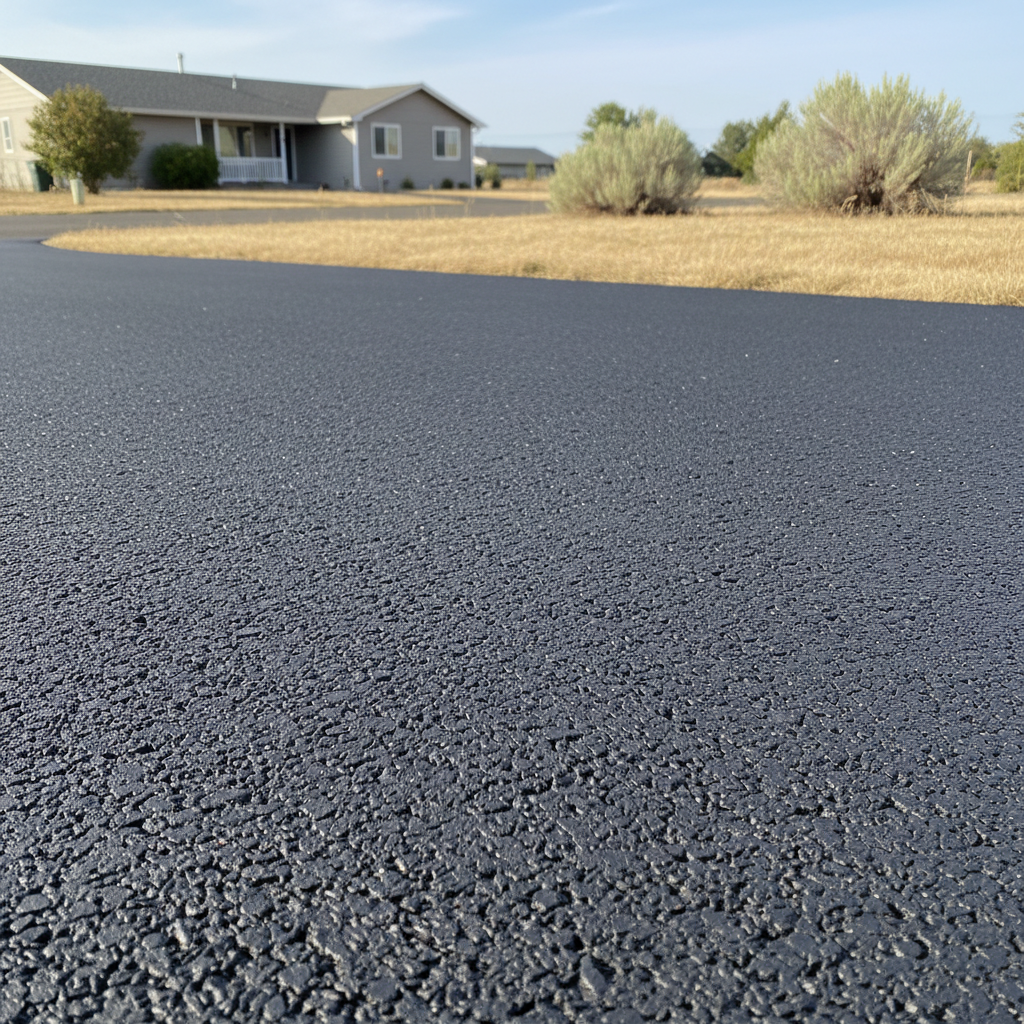
So, you're looking at that cracked, worn-out driveway and thinking, "It's time." A new asphalt driveway can really boost your home's curb appeal and function, but it's a bigger project than most folks realize. I've seen a lot of driveways in Richland, both good and bad, and I want to give you the straight scoop on what you need to know before, during, and after the paving process.
Before You Start: Planning and Permits
First things first: planning. Don't just jump into this. You need to think about a few things. What's the current condition of your driveway? Is it just a few cracks, or is the whole thing crumbling? The scope of work dictates everything.
You also need to check with the City of Richland planning department. Seriously, don't skip this. Most major driveway replacements or new installations require a permit, especially if you're changing the footprint or tying into city right-of-way. You don't want to get halfway through a project only to have a code enforcement officer show up. Trust me, that's a headache you don't need.
Think about drainage, too. We get some pretty good rainstorms here in the Tri-Cities, and you don't want water pooling up on your new driveway or, worse, running right into your garage or foundation. A good contractor will plan for proper grading and drainage, making sure water flows away from your home.
DIY vs. Pro: Where to Draw the Line
This is where a lot of homeowners get stuck. What can you actually do yourself? If your driveway just needs some minor crack filling or a fresh sealcoat, that's definitely something you can tackle. You can buy the materials at a local hardware store, follow the instructions, and get a decent result. It's a weekend project, and it'll save you some money.
However, if you're talking about a full tear-out and replace, or even just laying a new asphalt overlay on a badly damaged base, that's almost always a job for professionals. Here's why:
- Heavy Equipment: You need specialized machinery – excavators, graders, asphalt pavers, rollers – to do the job right. Renting these is expensive, and operating them safely and effectively takes skill.
- Base Preparation: This is crucial. If your base isn't properly excavated, compacted, and graded, your new asphalt won't last. We've got a lot of sandy, silty soil around here, especially in areas like Badger Mountain South, and it needs proper attention to create a stable foundation. Skimp on the base, and you'll see cracks and potholes in no time.
- Asphalt Application: Laying asphalt isn't just dumping it out. It needs to be at the right temperature, spread evenly, and compacted correctly. If it cools too much, or isn't compacted enough, you'll have a weak, short-lived surface.
- Expertise: A professional paving crew, like us at Richland Asphalt Solutions, knows the nuances. We understand local soil conditions, proper drainage techniques, and how to get a smooth, durable finish that will stand up to our hot summers and freezing winters.
So, for anything beyond minor repairs or sealcoating, I strongly recommend getting quotes from reputable paving companies. It's an investment, and you want it done right.
During the Project: What to Expect
If you hire a pro, here's a quick rundown of what you'll typically see. First, they'll remove the old driveway, if there is one. Then comes the excavation and base preparation. They'll bring in aggregate, spread it, and compact it thoroughly. This might take a day or two, depending on the size of your driveway.
Next is the asphalt. It'll arrive hot in specialized trucks. The crew will spread it with a paver, then compact it with heavy rollers. It's a pretty efficient process once they get going. You'll see steam rising off the fresh asphalt, and it'll smell for a day or two – that's normal. During this phase, you'll need to stay off the driveway completely. It's hot, sticky, and needs to cure properly.
After the Pave: Care and Maintenance
Once your new driveway is in, the work isn't entirely over. You'll need to give it some time to cure. We usually recommend staying off it for at least 24-48 hours, and sometimes longer for heavy vehicles or if it's a particularly hot day. Avoid turning your steering wheel while the car is stationary on fresh asphalt – that can create scuff marks.
For the first few months, be gentle. Don't park heavy RVs or trailers on it if you can avoid it. Over time, asphalt hardens and becomes more resilient. You'll want to sealcoat your driveway every 2-3 years. This protects it from UV rays, water penetration, and oil spills, significantly extending its life. It's a relatively inexpensive maintenance step that pays huge dividends.
Keep an eye out for small cracks. If you see them, address them quickly with a good quality crack filler. Don't let them grow into bigger problems. Proper drainage is key, too. Make sure downspouts aren't dumping water directly onto your driveway, and keep it free of debris that could trap moisture.
A new driveway is a big investment, but with the right planning, professional installation, and ongoing care, it'll serve you well for many years. Don't hesitate to reach out to local experts if you have questions or need a hand with your project. We're here to help folks in Richland get the best possible results.