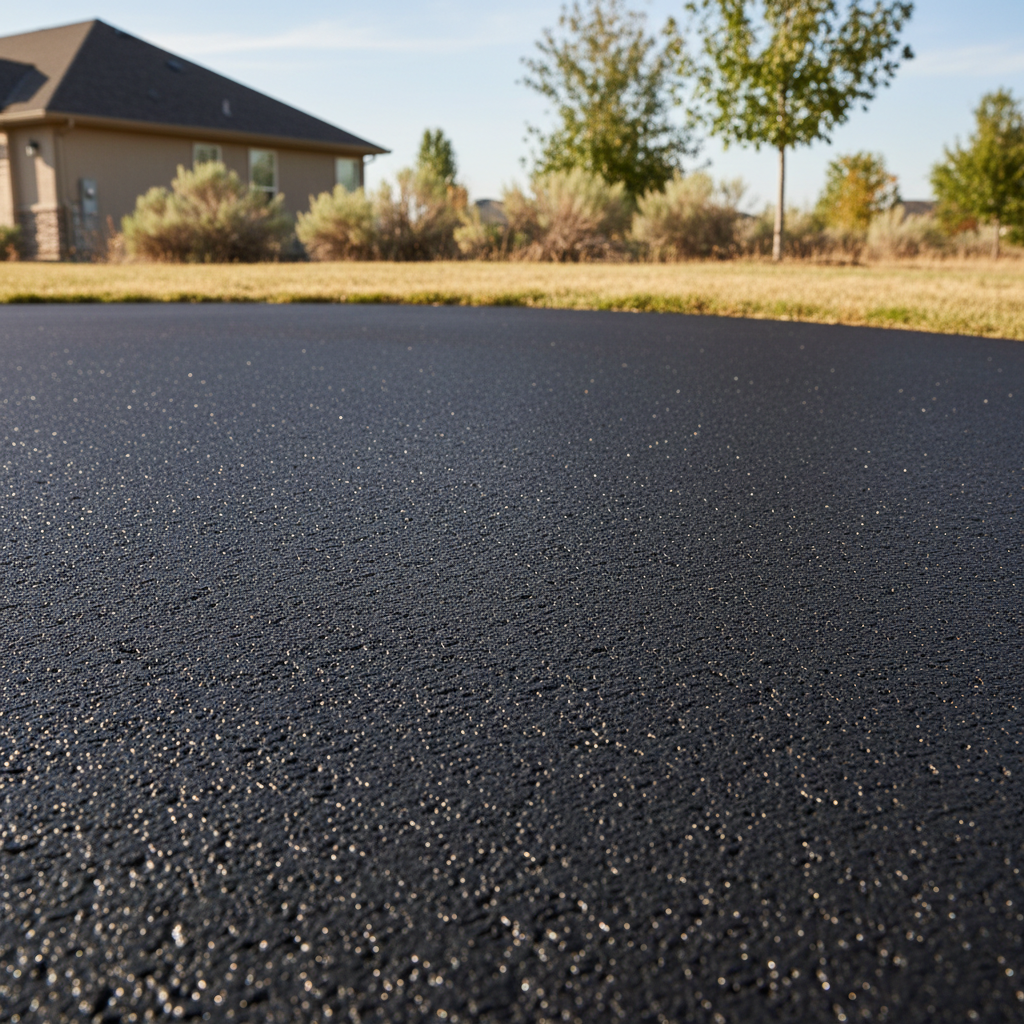
What's the real cost of a new asphalt driveway in Richland?
Alright, let's talk money. This is usually the first thing folks ask me, and for good reason. There's no single price tag I can slap on a new asphalt driveway because it depends on a few big factors. First, size matters – obviously, a longer or wider driveway uses more material and takes more labor. Second, what's underneath? If we're tearing out an old concrete slab or dealing with really poor soil conditions, like some of that sandy, silty stuff we see near the river in north Richland, that adds to the prep work and cost. Good drainage is key, and sometimes that means extra grading or a thicker base layer. Third, the thickness of the asphalt itself. A standard residential driveway might be 2-3 inches of asphalt over a solid base, but if you've got heavy RVs or equipment, you might want 4 inches, and that's more material. Generally, you're looking at anywhere from $3 to $7 per square foot for a new installation, all-in. But don't just go by that number; get a quote. I'll come out, take a look, and give you a solid estimate, no surprises.
How long does a new asphalt driveway actually last?
When I put down a new asphalt driveway, I expect it to last a good 15 to 20 years, sometimes even longer, if it's installed right and you take care of it. That's the honest truth. The biggest enemies of asphalt are water, sun, and heavy loads. Here in Richland, we get those hot summers, which can be tough on the material, making it a bit more flexible and prone to rutting if it's not thick enough or if you're parking really heavy vehicles on it. The key to hitting that 15-20 year mark is proper installation – a good, compacted base, the right asphalt mix, and correct drainage. And then, it's up to you for the maintenance. We'll talk about that next.
What kind of maintenance does asphalt need?
You wouldn't buy a new car and never change the oil, right? Same goes for your driveway. The biggest thing you can do to extend its life is sealcoating. I usually recommend doing it about a year after installation to let the asphalt cure fully, and then every 2-3 years after that. Sealcoating protects the asphalt from UV rays, water penetration, and chemicals like oil and gas. It keeps it looking fresh and prevents those tiny cracks from forming and growing. Beyond that, it's pretty simple: clean up oil spills quickly, don't let heavy vehicles sit in the same spot for weeks on end, and address any small cracks or potholes as soon as you see them. Small repairs are cheap; big ones aren't. It's like going to the dentist – preventative care saves you a lot of pain and money down the road.
Can I pave over my old concrete driveway?
This is a common question, and my answer is usually,