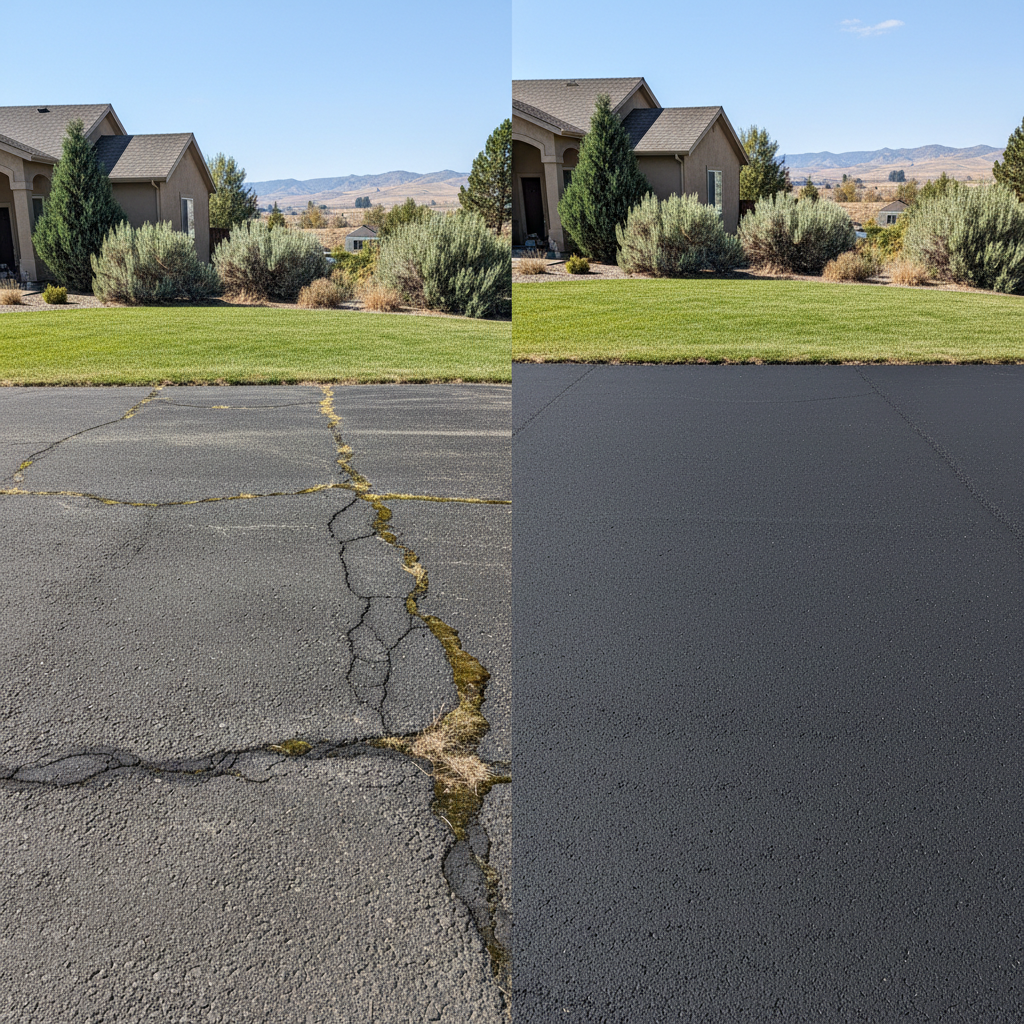
Your driveway's seen better days, huh? Maybe you've got some alligator cracking, a few potholes, or just some spots that are starting to crumble. When it comes to fixing those asphalt problems, you've generally got two main ways to go: infrared patching or the more traditional saw-cut, remove, and replace method. As a guy who’s been laying asphalt here in Richland for years, I've seen both done well and done poorly. Let's talk about what's what, so you can make the best call for your property.
Infrared Asphalt Patching: The Quick Fix
Okay, so infrared patching is pretty slick. How it works is, we use a specialized infrared heater to heat up the existing asphalt around the damaged area. We're talking about getting it hot enough to soften it right up, almost like it's fresh out of the plant. Then, we rake out the old, compromised material, add some fresh asphalt mix, and then compact it all together. It's a pretty seamless process when done right.
Cost: Generally, infrared patching is going to be cheaper upfront. Less labor, less material to haul away, and it's a quicker job overall. If you're on a tight budget and have smaller, isolated repairs, this can be a real winner.
Durability: This is where it gets a little tricky. If the underlying base is solid and the damage is mostly confined to the surface, an infrared patch can hold up really well. The idea is that you're 're-welding' the new asphalt to the old. But, if the problem goes deeper – say, you've got a weak sub-base or serious water issues – an infrared patch might only be a temporary fix. I've seen some of these patches last for years, especially on well-drained driveways in areas like Badger Mountain South, but I've also seen them fail quicker if the root cause wasn't addressed.
Maintenance: Not much special maintenance needed beyond your regular sealcoating schedule. Just keep an eye on it, like you would any other part of your driveway.
Appearance: This is where infrared usually shines. Because you're heating and blending, the patch often looks much more uniform and less like a 'patch' compared to a saw-cut job. It's a smoother transition, which many homeowners appreciate.
Saw-Cut, Remove, and Replace: The Gold Standard
Now, the saw-cut method is what most people picture when they think about asphalt repair. We use a saw to cut out a clean, rectangular section around the damaged area. We dig out all the old, bad asphalt, sometimes even down into the base if it's compromised. Then, we prepare the sub-base, lay down fresh asphalt mix, and compact it. It's a more involved process, but it's often the most robust solution.
Cost: Expect to pay more for this. There's more labor involved, more material to remove and dispose of, and more new material to bring in. It's an investment, but often a necessary one for long-term fixes.
Durability: This is the big advantage here. When you cut out the old material and replace it completely, you're essentially building a new, strong section. If your problem is due to a failing base, or if you've got widespread cracking that's gone deep, this is the way to go. It’s a permanent repair for that specific area, and it’s going to last a long time, especially with our hot summers and cold winters here in the Tri-Cities putting a lot of stress on pavement.
Maintenance: Just like with infrared, regular sealcoating helps protect your investment. The key is that the new patch itself is inherently more stable and less prone to immediate failure if the underlying issues were properly addressed.
Appearance: You're going to see the seams. Even with a clean cut and proper compaction, there will be lines where the new asphalt meets the old. It's not as seamless as infrared, but a good contractor from Richland Asphalt Solutions will make those lines as neat and tight as possible.
So, Which One Should You Choose?
Honestly, it depends on the severity and type of damage you're dealing with. For minor surface cracks, small potholes, or areas where the base is still solid, infrared patching is a great, cost-effective option. It looks good, and it can last a good while.
But if you've got significant structural issues, deep, widespread cracking, or if you're constantly patching the same spot because the problem keeps coming back, then you really need to consider the saw-cut, remove, and replace method. It’s a more permanent solution that addresses the root cause of the problem, not just the symptom.
My recommendation for most homeowners in Richland? If it's a small, isolated surface issue, infrared can be a smart choice. But if you're seeing signs of deeper trouble – like sections of your driveway sinking or widespread 'alligator' cracking that indicates a failing base – don't skimp. Go with the saw-cut and replace. You'll save yourself money and headaches in the long run by doing it right the first time. Give us a call at Richland Asphalt Solutions, and we can take a look at your driveway and give you an honest assessment of what's best for your specific situation.